Rec Center
Why Nampa's Rec Center Draws Crowds (And Twin Falls Doesn't)

The Drive Nobody Should Have to Make
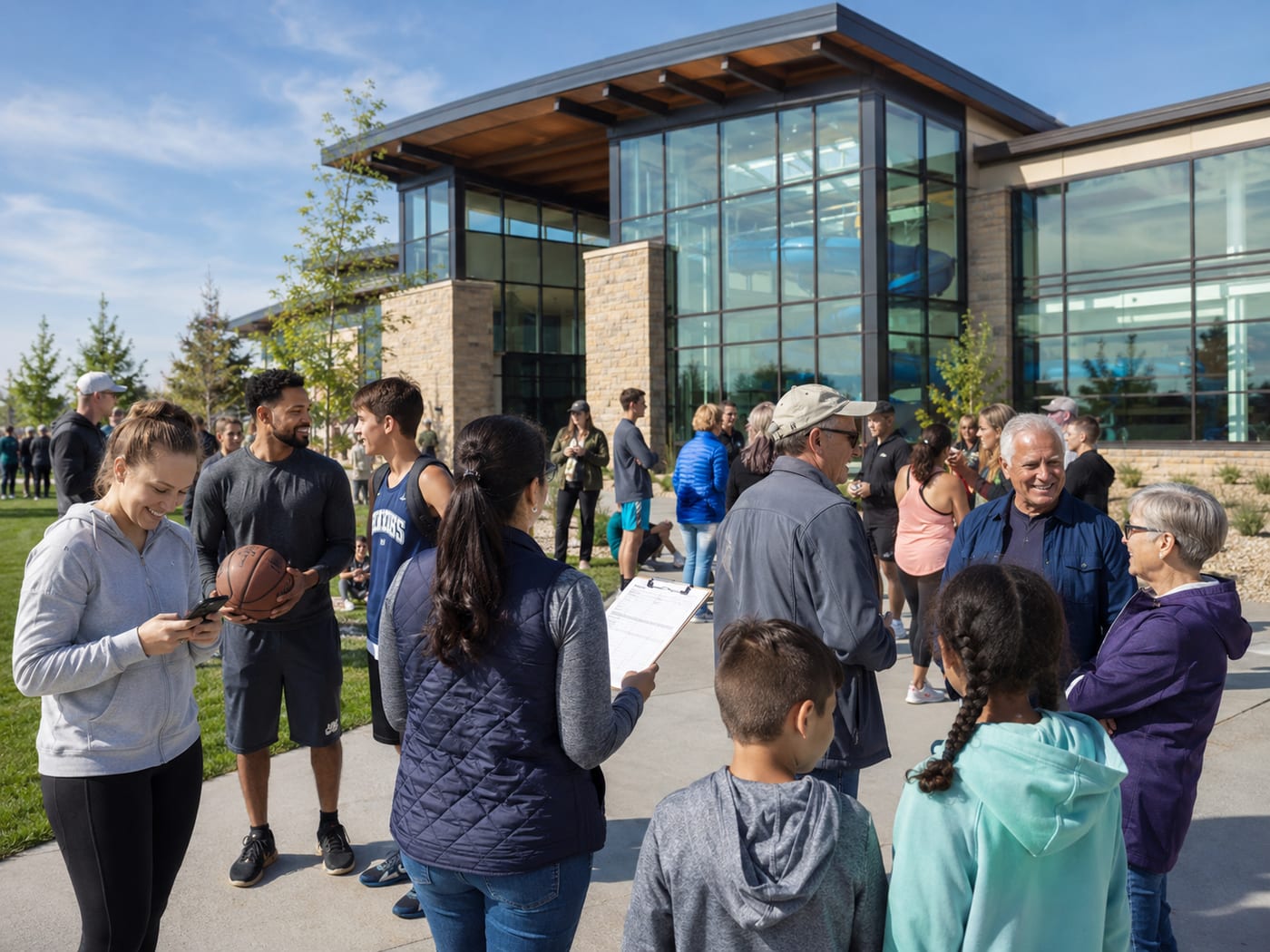
On a Saturday morning in January, families from across the Magic Valley load into cars and drive nearly two hours to Nampa, and the absence of a Twin Falls recreation center is the reason. They go because Nampa built something we still only talk about.
Nampa's rec center attracts visitors for a plain reason: it is a warm, affordable place to swim, lift, walk, and gather when it is 24 degrees outside. That is not a mystery. It is a decision another city made and we did not.
I have watched this pattern for years as someone raising kids here. The question is not whether Twin Falls deserves a facility like this. It is what we lose every month we go without one.

What Nampa Actually Built, and Why People Come
The Nampa Recreation Center is one of the largest municipal rec centers in Idaho, with multiple pools, an indoor track, courts, and fitness spaces under one roof. It serves a city of roughly 115,000 people, according to U.S. Census Bureau data.
Here is the part people miss. A rec center is not just a building. It is a daily habit machine. When a place is close, warm, and cheap, people show up over and over.
The draw comes down to a few concrete things:
- Year-round swimming. Indoor pools mean lessons, laps, and therapy in every season, not just July.
- One membership, many uses. A family pays once and gets fitness, courts, and open gym time.
- A social anchor. Seniors meet at 9 a.m. Teens have somewhere to be after school. Parents actually talk to neighbors.
None of this is exotic. It is exactly what we outline in What Your Week Looks Like With a Rec Center in Twin Falls. The visitors Nampa attracts are simply people whose weeks got easier.
The Twin Falls Recreation Center Gap, in Numbers
Twin Falls has roughly 55,000 residents, and the wider Magic Valley pushes the service area well past 100,000. That is a real market for a Twin Falls recreation center, not a wish.
Consider the comparison that keeps coming up in conversations here. Jerome has about 13,000 residents and built a rec center. We break that down in Jerome Built a Rec Center for 13,000. Twin Falls Has Nothing.
The gap matters because recreation access is tied to public health. The CDC reports that regular physical activity lowers the risk of heart disease, diabetes, and several cancers, yet only about one in four adults meets recommended activity levels. A local facility is one of the few things a city can build that directly moves those numbers.
When people leave town to exercise, three things happen at once:
- Their gas, food, and retail dollars land in Nampa or Boise, not here.
- Only the most motivated make the trip, so most people simply skip activity.
- The social benefits, the casual connection that fights isolation, never happen at all.
What We Lose Every Month Without One
The financial leak is the easiest loss to measure. A family that drives to Nampa spends money on the round trip and often on a meal, and that spending leaves the Magic Valley economy.
Recreation is also a documented economic driver. The U.S. Bureau of Labor Statistics tracks arts, entertainment, and recreation as a distinct employment sector, one that supports local jobs from front-desk staff to lifeguards to fitness instructors. A Twin Falls recreation center would keep those jobs and paychecks in our county.
Then there is the harder loss to quantify: mental health. Isolation and inactivity carry real costs, and a shared physical space is a proven buffer. We lay out that evidence in The Mental Health Case for a Recreation Center That Twin Falls Hasn't Heard Yet.
And the programming gap is concrete. Group fitness classes fill rec centers from dawn to evening in cities our size, and Twin Falls offers none of that under one roof today.

Building Smart: Operating Costs and Solar
A common objection is cost. Rec centers use a lot of energy for heating pools and running HVAC, so operating costs deserve an honest look, not a hand-wave.
This is where modern design helps. Rooftop solar can offset a large share of a facility's power bill, and the numbers have improved sharply. According to ENERGY STAR, efficient building systems and on-site generation meaningfully cut long-term utility spending.
For anyone planning a facility, the practical questions come up fast:
- Solar panel installation process: engineers assess the roof, design an array sized to the building's load, secure permits, then mount and wire the panels before utility interconnection.
- How long does solar installation take: for a commercial-scale roof, physical installation typically runs a few weeks, though permitting and interconnection can extend the full timeline to a few months.
- Solar panel maintenance cost: generally low, mostly periodic cleaning and inverter checks, which keeps ongoing overhead modest.
- Solar panel payback period: for a high-usage building like a rec center with pools, the solar panel payback period often lands in the range that makes long-term operating budgets far more predictable.
The point is not that solar makes the building free. It is that a well-designed Twin Falls recreation center can control its biggest recurring cost from day one, which strengthens the case we make in Why the Magic Valley Needs a Twin Falls Recreation Center.
I will be honest about the limits here. Exact costs depend on final design, site conditions, and financing, and no single blog post can lock those numbers down. That is precisely why careful planning and community input matter before a shovel touches dirt.
What This Means for You
If you have ever driven to Nampa or Boise to swim in winter, you already understand the argument. The convenience Nampa built is not magic. It is a facility, a membership, and a decision.
Twin Falls has the population, the demand, and the surrounding region to support a Twin Falls recreation center of its own. What we have lacked is momentum, and momentum starts with residents who show up and say so.
Frequently Asked Questions
Q: Is Twin Falls really big enough to support a rec center?
Yes. With roughly 55,000 residents in the city and a Magic Valley service area above 100,000, Twin Falls exceeds the population that cities like Jerome and many others use to justify a facility.
Q: Won't a rec center be too expensive to operate?
Operating costs are real, especially for pools and HVAC. Efficient design and on-site solar can offset a large share of utility costs, which is why energy planning belongs in the earliest conversations.
Q: What would a Twin Falls recreation center actually offer?
Based on comparable Idaho facilities: indoor pools, an indoor track, courts, fitness and group class spaces, and gathering areas for seniors, families, and youth, all under one roof and one membership.
Q: How does a rec center help the local economy?
It keeps recreation spending and jobs in the county instead of exporting them to Nampa and Boise. Recreation is a tracked employment sector that supports local staffing and small-business activity.
Q: How can I help move this forward?
Learn the facts, share them with neighbors, and connect with the Twin Falls Recreation Center effort so planners can show real, documented community demand.
Ready to stop driving to Nampa? The Twin Falls Recreation Center movement is built on residents like you who want a warm, affordable place to swim, move, and gather close to home. Explore our research, add your voice, and help us turn a two-hour drive into a five-minute one. Reach out to Twin Falls Recreation Center today and be part of the case for our community.