Rec Center
Why the Magic Valley Needs a Twin Falls Recreation Center

The Summer We Sell Ourselves
If you have lived in the Magic Valley for more than a year, you have heard the pitch: we do not need an indoor recreation center because we have the outdoors. But after two seasons of watching families search for somewhere, anywhere, to take restless kids, the case for a Twin Falls recreation center gets harder to wave off. The truth is that "outdoor summer fun" is real for maybe four good months, and it papers over a problem the rest of the year.
The canyon, the Snake River, the Sawtooths to the north: all genuinely beautiful, all genuinely seasonal. The trouble is that we have built a recreation identity around weather we only reliably get part of the year.
For the other eight months, when it is 14 degrees in January or 99 degrees in late July, the options thin out fast. That gap is the whole argument.

The Math on "Outdoor" Twin Falls
Twin Falls is now home to roughly 53,000 residents, and the broader Magic Valley region pushes past 180,000 when you count the surrounding counties. That is not a small town anymore. It is a regional hub with regional needs.
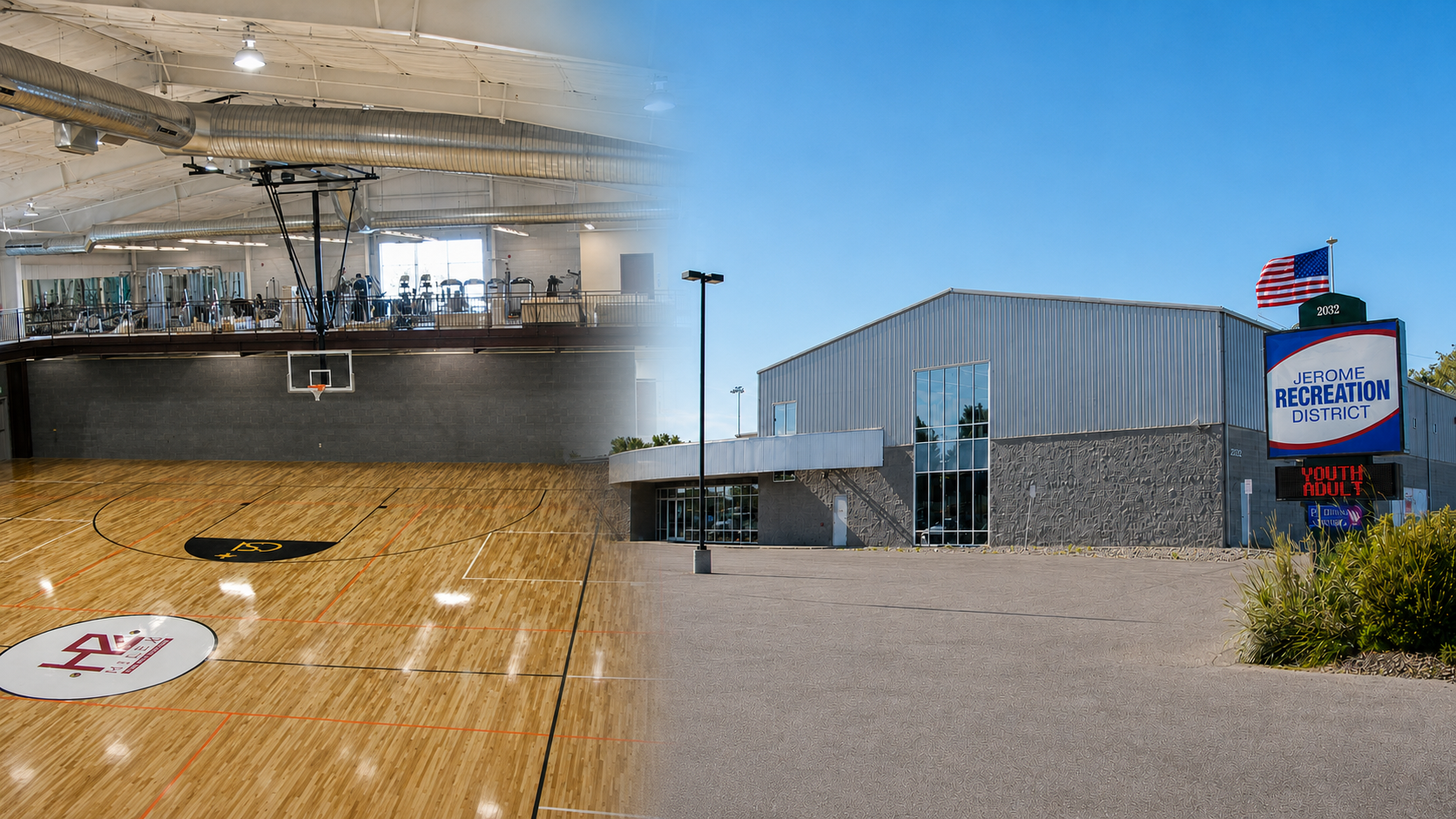
Compare that to Jerome, which has about 13,000 residents and still manages a city pool and recreation programming. Or look at cities our size across the Mountain West that treat indoor recreation as basic infrastructure, not a luxury.
Here is the seasonal reality laid out plainly:
- Winter: Twin Falls averages roughly five months where outdoor activity is limited by cold, ice, or short daylight. We have covered this in detail in Five Months of Winter, Zero Indoor Recreation Facilities: Twin Falls' Seasonal Problem.
- Summer: July and August routinely hit the 90s and triple digits, pushing midday outdoor play indoors anyway.
- Smoke season: Wildfire smoke now regularly fouls the air for weeks in late summer, the exact window the "outdoor fun" argument depends on.
- Shoulder seasons: Spring mud and fall rain take more days off the calendar than people remember.
Add it up, and the genuinely reliable outdoor window is narrow. We are betting community health on a season that keeps shrinking.
This Is a Health Problem, Not Just a Recreation One
The cost of nowhere to go is not abstract. The CDC's most recent combined data from 2017 through 2020 puts adult physical inactivity at 25.3 percent nationally (CDC Adult Physical Inactivity). In rural and small-metro regions, that number tends to run higher, and seasonal gaps in access are part of why.
When there is genuinely nowhere indoors to move for half the year, inactivity is not a personal failing. It is a facilities failing.
The mental health side matters too. The National Institute of Mental Health notes that one of the most effective treatments for seasonal affective disorder, CBT-SAD, works partly by helping people schedule pleasant, engaging indoor or outdoor activities to offset the loss of interest that comes with winter (NIMH Seasonal Affective Disorder). You cannot schedule indoor activity into a community that has no indoor place to do it.
There is also hard evidence that indoor recreation changes behavior. Research published through the NIH on indoor activity parks found that visiting one replaced roughly one hour of daily sitting with moderate-to-vigorous physical activity in children (NIH SuperPark study). Build the place, and people use it.
Why a Twin Falls Recreation Center Pays for Itself
The objection is always cost, and that is fair. So look at what comparable facilities return.
A study from Appalachian State University, cited by The Sports Facilities Companies, estimates that the health care savings generated by a single community recreation center range from $1.3 million to $10.9 million (Sports Facilities Companies). That is savings, on top of the direct revenue from memberships, leagues, tournaments, and rentals.
For a region our size, the tournament angle is significant. Youth and adult sports travel. A weekend volleyball or basketball event fills hotel rooms and restaurants across Twin Falls, and the dollars stay local.
A well-run Twin Falls recreation center is not a money pit. It is an economic engine that also happens to make people healthier.

It Belongs to the Whole Magic Valley
This is not a Twin Falls vanity project. Families in Kimberly, Filer, Buhl, Jerome, and Hansen all drive into Twin Falls for groceries, work, and medical care already. A regional facility serves all of them.
We have made that case directly in This Is a Magic Valley Rec Center, Not Just Twin Falls, and for our Spanish-speaking neighbors in Este Es un Centro Recreativo para el Magic Valley, No Solo para Twin Falls.
The point of a community center is that it has room for everyone and everything. Seniors walking an indoor track in February. Kids in after-school programs. Adult leagues for sports that simply have no home here right now, from table tennis to a real indoor gym for pickup ball.
The Climate Argument Is No Longer Theoretical
The "just go outside" model assumes the outdoors stays dependable. It is not.
The National Environmental Education Foundation reports that snow-based recreation contributes $67 billion annually and supports over 900,000 jobs in the United States, but warns that northern resorts will be increasingly vulnerable by century's end as temperatures rise (NEEF). The USDA Climate Hubs go further, recommending communities develop indoor recreation options in regions with marginal winter conditions and growing populations (USDA Climate Hubs).
That description fits the Magic Valley almost exactly: a growing population in a place where the reliable outdoor seasons are getting shorter and less predictable.
I will be honest about the limits here. A recreation center will not fix climate change, and it will not replace a day on the river when the weather cooperates. What it does is give us a floor: a guaranteed place to move, gather, and play, no matter what the sky is doing. And sometimes that floor just means a gym warm enough for dodgeball in December.
Frequently Asked Questions
Q: Doesn't Twin Falls already have enough parks and trails?
We have good outdoor amenities, and they matter. But they are seasonal by nature. The gap is indoor, year-round space, which is exactly what we currently lack at any meaningful scale.
Q: How would a recreation center be paid for?
Funding typically blends bonds, grants, memberships, and program revenue. Comparable centers generate ongoing income through leagues, rentals, and tournaments, plus documented health care savings of $1.3 million to $10.9 million per facility.
Q: Is Twin Falls really big enough to support this?
Yes. At roughly 53,000 in the city and more than 180,000 across the Magic Valley, our population exceeds many communities that already operate successful recreation centers.
Q: Who would actually use it?
Families with young kids, seniors who need a safe place to walk in winter, athletes without a season-appropriate venue, and anyone fighting the dark, cold months that drive seasonal mood decline. In short, most of us.
This is where you come in. The case is straightforward, the numbers hold up, and the need does not go away when the weather turns. If you want a year-round place for your family, your team, or just yourself, learn more about the Twin Falls Recreation Center effort, share these facts with a neighbor, and tell us you are behind it. A region this size has waited long enough.